
How Sustainable Land Investment Projects Are Shaping the Future
As investors increasingly seek opportunities that combine long-term value with environmental responsibility, sustainable land investment projects have emerged as an attractive alternative to conventional investments. Rather than focusing solely on short-term returns, these projects emphasize responsible land management, ecological conservation, and long-term asset creation.
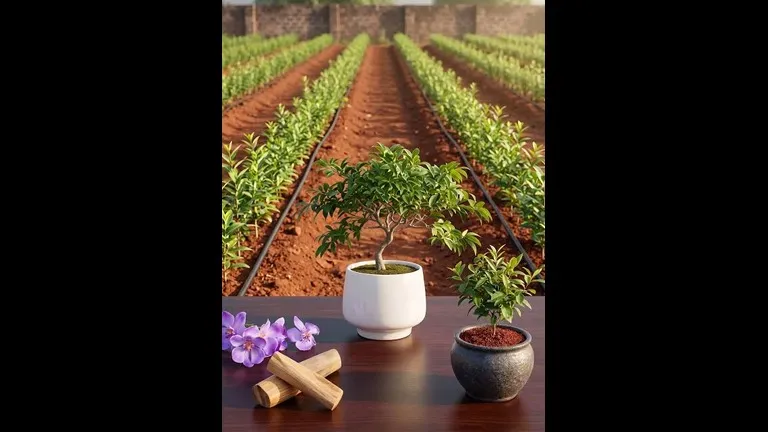
Among the sectors gaining attention in India, managed white sandalwood plantations offer a unique combination of sustainable agriculture and professionally managed land development. Kalinga Sandal Farm is a project focused on cultivating Indian White Sandalwood through plantation practices and long-term management.
Why Sustainable Land Investments Are Growing
Traditional investment options such as fixed deposits, stocks, or real estate often fluctuate with market cycles. Sustainable land investments combine the value of real assets with environmentally responsible practices, creating long-term opportunities for both investors and the environment.
Key reasons investors are exploring sustainable plantation projects include:
- Ownership or participation in real land-based assets
- Long investment horizon aligned with wealth creation goals
- Environmental restoration through tree plantation
- Diversification beyond financial markets
- Professionally managed agricultural operations
As awareness of climate change and sustainable development grows, investors increasingly value projects that balance economic opportunities with ecological responsibility.
What Makes White Sandalwood a Sustainable Plantation?
Indian White Sandalwood is one of the most valuable tree species due to its use in:
- Essential oils
- Ayurvedic products
- Cosmetics
- Religious ceremonies
- Luxury fragrances
Sandalwood trees take years to mature, making them a long-term cultivation project rather than a short-term crop. Achieving healthy growth and quality yields requires
- Suitable climate and soil
- Host plants
- plantation techniques
- Irrigation management
- Disease monitoring
- Regulatory compliance
Because of these requirements, professionally managed plantation projects help reduce operational complexity for investors.
Environmental Benefits of Sustainable Plantation Projects
1. Carbon Sequestration
Trees naturally absorb carbon dioxide throughout their growth cycle, contributing to carbon storage and supporting climate mitigation efforts.
2. Soil Conservation
Proper plantation practices help reduce soil erosion and improve long-term land productivity.
3. Responsible Land Utilization
Instead of leaving land idle, sustainable plantations create long-term productive assets while preserving environmental value.
Financial Perspective: Thinking Beyond Short-Term Returns
Sustainable plantation investments are fundamentally long-term.
Unlike trading or speculative investments, tree plantations require patience while biological growth occurs naturally over several years.
Many investors appreciate this approach because it encourages:
- Long-term financial planning
- Portfolio diversification
- Asset-backed investment exposure
- Reduced emotional reactions to daily market fluctuations
Why Professional Plantation Management Matters
Growing white sandalwood successfully requires ongoing expertise.
Professional plantation management may include:
- Land preparation
- Plantation design
- Quality sapling selection
- Host plant cultivation
- Irrigation systems
- Fertilization schedules
- Tree health inspections
- Security arrangements
- Harvest planning in accordance with applicable regulations
Kalinga Sandal Farm's Sustainable Plantation Approach
Kalinga Sandal Farm focuses on developing managed white sandalwood plantations using cultivation practices designed for long-term sustainability.
The project emphasizes:
- Carefully selected plantation land
- White sandalwood cultivation
- Trusted farming methods
- Professional plantation management
- Long-term maintenance
- Sustainable agricultural practices
- Transparent project information for investors
The goal is to build productive plantation assets while promoting environmentally responsible land use.
Actual plantation value depends on numerous factors, including:
- Tree growth rates
- Survival percentages
- Market demand
- Future pricing
- Weather conditions
- Disease management
- Regulatory framework
- Operational performance
Responsible investors should evaluate plantation projects carefully and understand both the opportunities and associated risks before making investment decisions.
The Future of Sustainable Land Investment
As sustainability becomes a global priority, responsibly managed plantation projects are expected to remain an area of growing interest. Combining environmental stewardship with disciplined land management offers a model that supports both ecological restoration and long-term asset development.
While no investment is without risk, sustainable land projects represent an alternative approach for those looking beyond conventional financial instruments and toward investments connected with natural resources.
NOTE: Invest ₹6 Lakhs Today Get ₹60 Lakhs in 15 Years
We multiply your investment and bring nature’s goodness to you through responsible managed farming. Every harvest reflects our care for the land, communities, and future.
Conclusion
Sustainable land investment is about more than financial potential—it’s about supporting responsible land use, environmental sustainability, and long-term value creation. Managed white sandalwood plantations offer an opportunity to participate in this growing sector when approached with realistic expectations and a long-term perspective.
If you’re exploring sustainable plantation opportunities, Kalinga Sandal Farm provides a professionally managed model focused on cultivation, transparency, and responsible land stewardship.
Share This Post!
Recent Post
Connect To Us!
Connect with Kalinga Sandal Farm for quality-driven farming and partnerships.